Naperville, IL 60563

Call Us Today for an Initial Consultation
630-778-3818


Can Zoning Restrictions Prevent You From Selling Your Property?
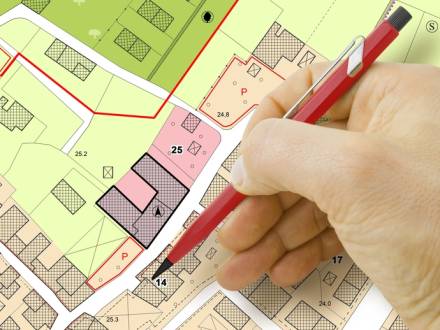
Zoning laws usually don’t stop you from selling property in Illinois, but they can affect who wants to buy it and how much they’re willing to pay. Problems can arise when someone wants to use the property for something zoning laws do not allow.
Zoning problems can put a valuable sale at risk. If you are planning to sell property in 2026, our DuPage County zoning and development lawyers can help you avoid costly delays.
How Do Zoning Laws Affect Selling Property in Illinois?
Zoning laws control how land and buildings can be used. They do not usually prevent someone from owning or selling property. Under 65 ILCS 5/11-13-1, Illinois cities and villages can set rules for residential, commercial, and industrial properties. Counties have similar powers over land outside city and village limits.
When you sell property, the zoning rules stay the same. The new owner must follow them. For example, someone might want to buy your property and turn it into a restaurant. If the area does not allow restaurants, the buyer would need approval before opening. The sale could fall through if that approval is denied.
Zoning problems can also affect financing. Lenders may want to know whether a building can be repaired or rebuilt if it suffers serious damage.
Can You Sell Property With a Legal Nonconforming Use in Illinois?
A legal nonconforming use means a property was used legally before zoning rules changed. For example, a business may continue operating after its area becomes residential. This is sometimes called being grandfathered in.
Selling does not automatically end this protection. However, local laws may limit expansion or rebuilding after major damage. In parts of DuPage County outside city or village limits, certain uses lose their protection if they stop for 12 months in a row. Before selling, check whether the buyer can continue the same use.
What Zoning Problems Can Delay a Property Sale in Illinois?
Several problems can cause delays or lead buyers to cancel a purchase. Common issues include:
-
Rooms, decks, or additions built without required permits
-
Buildings located too close to property lines
-
Businesses operating in areas where they are not allowed
-
Parking lots that do not meet local requirements
-
Homes with more living units than zoning allows
-
Garages or sheds that break size or location rules
-
Short-term rentals that violate local restrictions
-
Buildings that cannot be expanded under current zoning rules
For example, you might have converted your garage into a separate apartment without approval. A buyer could discover the problem during an inspection. The city might require permits, changes to the building, or removal of the apartment.
If you’re selling property in DuPage County, ask your city or village what paperwork it requires before closing. For example, Naperville requires buyers to purchase a real estate transfer tax stamp for taxable property sales within city limits. Other requirements depend on the town. Finding these problems before listing can help you avoid delays.
Can You Get Zoning Approval Before Selling Your Property?
Several options can help resolve zoning problems before a sale. The right option depends on what you want to change. A zoning variance allows an exception to certain rules, such as how close a building can be to a property line. Under 65 ILCS 5/11-13-5, Illinois municipalities can allow variances when strict zoning rules create certain hardships or practical problems.
A special use permit allows a type of business or activity that needs approval in that area. For example, a property might need special approval to operate a daycare. Rezoning changes the property's zoning category. This could allow new uses, but it often requires a public hearing and approval from local officials.
You can also ask the local zoning office for written information about what the property allows. Some offices provide zoning verification letters. These steps take time, and approval is not guaranteed. Starting early can help prevent problems near closing.
What Should DuPage County Property Owners Check Before Selling?
Before listing your property, contact your city or county zoning office. Ask what zoning rules apply and whether there are any known violations.
Review the property's permit history. Compare the approved plans with the building as it stands today. If you added rooms, changed the building, or started a business, check whether those changes required approval.
A current property survey can also help. It shows where buildings, fences, and other structures sit in relation to property lines. This can reveal problems with required distances from those lines, called setbacks.
If your property has a legal nonconforming use, confirm whether the buyer can continue it. Also, ask whether your town requires inspections or other approvals before closing.
Contact Our Oak Brook, IL Zoning and Development Attorneys
Attorney Dennis Lindell holds an advanced degree in real estate. He helps clients prepare, review, and negotiate property agreements. His work includes checking legal requirements and helping buyers and sellers avoid problems before closing. Attorney Vincent Tessitore has represented both borrowers and lenders. His experience provides useful insight when zoning problems affect property financing.
If zoning restrictions are affecting your property sale in 2026, contact Lindell & Tessitore, P.C. at 630-778-3818 to talk to our DuPage County zoning and development lawyers today.

1730 Park Street, Suite 117, Naperville, IL 60563
630-778-3818