Naperville, IL 60563

Call Us Today for an Initial Consultation
630-778-3818


How Should a Commercial Lease Handle Property Damage and Repairs?
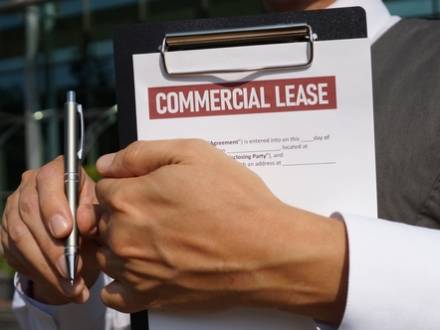 A commercial lease should spell out exactly who is responsible for property damage and repairs. If it does not, disputes can quickly become costly and hard to resolve. In Illinois, commercial leases are largely governed by what the parties put in writing.
Unlike residential rentals, commercial tenants have very little protection from state law when it comes to maintenance and repairs. That means the lease itself becomes the rulebook. Vague or missing language can leave both landlords and tenants in a difficult position. If you are negotiating or reviewing a commercial lease in 2026, our DuPage County, IL commercial real estate lawyers can help make sure the agreement actually protects you.
Under Illinois law, when a lease includes written provisions that assign repair responsibilities between a landlord and tenant, those written terms will override any implied duties. This principle, established in Illinois case law, means that what you agree to in writing is almost always what you will be held to in court. Getting the language right from the start matters a great deal.
Who Is Typically Responsible for Repairs in a Commercial Lease?
Responsibilities are divided based on what the lease says, and that division can look very different from one agreement to the next. That said, most well-written commercial leases follow a similar pattern.
Landlord Responsibilities
Landlords generally take responsibility for the building's structural elements. These include the roof, foundation, exterior walls, and major systems like elevators and HVAC units. They also typically maintain common areas like parking lots, lobbies, hallways, and shared restrooms. Commercial landlords in Illinois are also required to make sure the property meets applicable building codes and fire safety requirements, regardless of what the lease says about repairs.
Tenant Responsibilities
Tenants are usually responsible for the interior of their leased space. This includes routine upkeep, minor repairs, keeping the space clean and in good condition, and any improvements they make themselves. In triple-net leases, tenants take on even more. They may cover property taxes, insurance, and most maintenance costs on top of their base rent.
What Does Illinois Law Say About Structural Repairs for Commercial Properties?
Illinois courts have been clear that a general agreement requiring a tenant to keep the space in good repair does not make the tenant responsible for structural repairs. That kind of general language only covers routine maintenance, not major structural work.
However, if a lease clearly states that the tenant is responsible for all repairs, including structural ones, Illinois courts will enforce that language. If the lease is silent or unclear on the point, the landlord will generally be expected to handle structural and major repairs.
What Should a Damage and Repair Clause Actually Cover in a Commercial Lease?
A well-written commercial lease damage and repair clause should leave as little as possible open to interpretation. The most important elements it should address include:
-
Which party is responsible for which types of repairs, including the roof, HVAC, plumbing, electrical, and interior finishes
-
How and when damage must be reported, and what happens if the responsible party does not act in time
-
What condition the tenant must keep the space in during the lease and when they leave
-
What happens if someone makes repairs without permission and whether they can be reimbursed
-
Who pays for damage caused by the other party's negligence
Without these elements clearly defined, something as simple as a burst pipe or a leaking roof can turn into a major dispute over who pays and who was responsible for preventing the problem.
How Should a Commercial Lease Handle Major Property Damage or Destruction?
Significant property damage from events like fires, floods, or severe storms requires its own set of provisions in the lease. This is sometimes called a casualty clause or damage and destruction clause. It is one of the most overlooked parts of many commercial leases.
A well-drafted casualty clause should answer several important questions:
-
If the property is significantly damaged, does the landlord have to repair it, or can they terminate the lease instead?
-
How long does the landlord have to complete repairs before the tenant has the right to walk away?
-
Does the tenant still owe rent while the space is unusable?
-
Can the tenant end the lease if repairs drag on too long?
Under 735 ILCS 5/9-209, Illinois law governs how landlords can proceed when tenants fail to meet their obligations. If a tenant’s unpaid maintenance charges are treated as additional rent under the lease, the landlord may need to follow Illinois’ rent-demand rules before pursuing eviction. But for events outside either party's control, the lease itself must fill in the gaps.
Many commercial leases also include force majeure language. This addresses what happens when damage or delay is caused by events beyond anyone's control. A natural disaster is a good example. This language can affect whether a party has the right to delay repairs or end the lease without penalty.
Contact Our Oak Brook, IL Commercial Real Estate Lawyers Today
Getting the damage and repair terms right in a commercial lease is not just about protecting yourself from today's problems. It is about making sure you are covered for the entire length of the lease, which could be five, 10, or even 20 years. Attorney Dennis Lindell works behind the scenes to ensure profitable transactions and risk mitigation for his clients. His advanced real estate degree gives him a leg up as well.
Call Lindell & Tessitore, P.C. at 630-778-3818 today to talk through your commercial lease with our experienced DuPage County, IL real estate attorneys.

1730 Park Street, Suite 117, Naperville, IL 60563
630-778-3818