Naperville, IL 60563

Call Us Today for an Initial Consultation
630-778-3818


How Zoning Issues Can Impact a Commercial Property Purchase
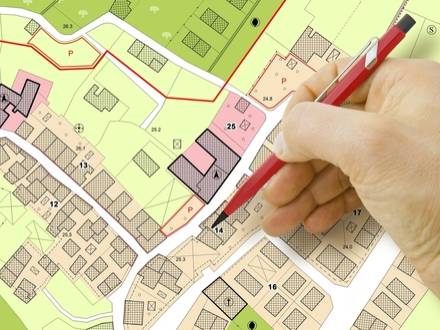 Zoning issues can slow down, complicate, or completely derail a commercial property purchase if they are not caught early. Before you sign anything or put down a deposit, understanding how a property is zoned and whether that zoning fits what you want to do there is one of the most important steps in any commercial real estate deal. Getting this wrong can cost you serious time and money. If you are buying commercial property in 2026, our Naperville, IL real estate lawyer can review the zoning situation before you commit and help make sure the transaction goes smoothly.
What Is Zoning and Why Does It Matter for Commercial Buyers in Illinois?
Zoning is a system that local governments use to control how land and buildings can be used. Every property is assigned a zoning classification that determines what types of businesses or activities are allowed there. Commercial zoning is not the same everywhere. Different zones allow different uses. What is permitted in one area may not be permitted in another.
For a commercial buyer, zoning matters because even if a property looks perfect for your business, it may not be legally approved for what you want to do there. For example, a building that was used as a warehouse may not be zoned for retail. A property marketed as suitable for a restaurant may be subject to zoning restrictions or local regulations that complicate obtaining approvals needed to operate the business as planned. Finding out about these problems after closing can leave you stuck with a property you cannot use the way you planned.
How Do You Find Out How a Property Is Zoned in DuPage County?
Zoning information is available through the local city or county. In Illinois, zoning rules are set by local governments under the Illinois Municipal Code, 65 ILCS 5/11-13-1. This gives municipalities broad authority to create and enforce zoning ordinances. Each municipality and county maintains its own zoning ordinances and maps that govern the properties within its jurisdiction. Our experienced real estate attorneys can pull this information, explain what it means, and flag any problems before they become costly ones.
What Can You Do if the Current Zoning Does Not Fit Your Business Plans?
One option is a zoning variance. A variance is a request to be excused from a specific zoning rule that applies to your property. Variances are generally considered when strict application of a zoning rule would create a hardship relating to the property. The process involves applying to the local zoning board and usually attending a public hearing.
Another option is rezoning, which means asking the local government to change the official zoning classification of the property entirely. Rezoning is a bigger process than a variance and is not guaranteed. It requires working with local officials, attending hearings, and showing that the change fits the municipality's long-term plan for the area.
A third option is a special use permit. This allows a specific use that is not normally permitted in a zone but can be approved under the right conditions. This is common for businesses like drive-through restaurants, daycares, or churches that may not fit neatly into a standard commercial zone but can be allowed on a case-by-case basis.
What Due Diligence Should You Do Before Closing on a Commercial Property?
Zoning review is one of the most critical parts of buying commercial property. A thorough review should include:
-
Confirming the current zoning classification and what uses are allowed
-
Checking whether any variances, special use permits, or conditions already apply to the property
-
Reviewing the local plan to understand how the surrounding area is expected to develop
-
Making sure your intended use complies with all zoning requirements
-
Checking for any pending zoning changes that could affect the property after you buy it
-
Looking for deed restrictions or easements that may limit how the property can be used on top of zoning rules
Catching issues during due diligence gives you options. Missing them until after closing leaves you with very few.
Contact Our DuPage County Commercial Real Estate Attorneys Today
Zoning issues can quietly undermine a commercial real estate deal if they are not caught before closing. Having the right legal team involved from the beginning makes all the difference. Attorney Dennis Lindell holds an advanced degree in real estate that provides him with a deeper understanding of the technical and legal aspects of commercial property transactions. Attorney Vincent Tessitore brings a valuable perspective from having represented both borrowers and lenders. He understands how these deals look from every angle.
Together, they work behind the scenes to help clients identify issues, structure transactions appropriately, and move deals toward a successful closing. Contact our Naperville, IL real estate lawyers at Lindell & Tessitore, P.C. by calling 630-778-3818 to get started on your transaction today.

1730 Park Street, Suite 117, Naperville, IL 60563
630-778-3818